Emotions, Stress, and Digestion: The Gut–Brain Connection
How stress and digestion interact, when abdominal symptoms need medical care, and how to choose a manageable daily habit without blaming every symptom on emotions.
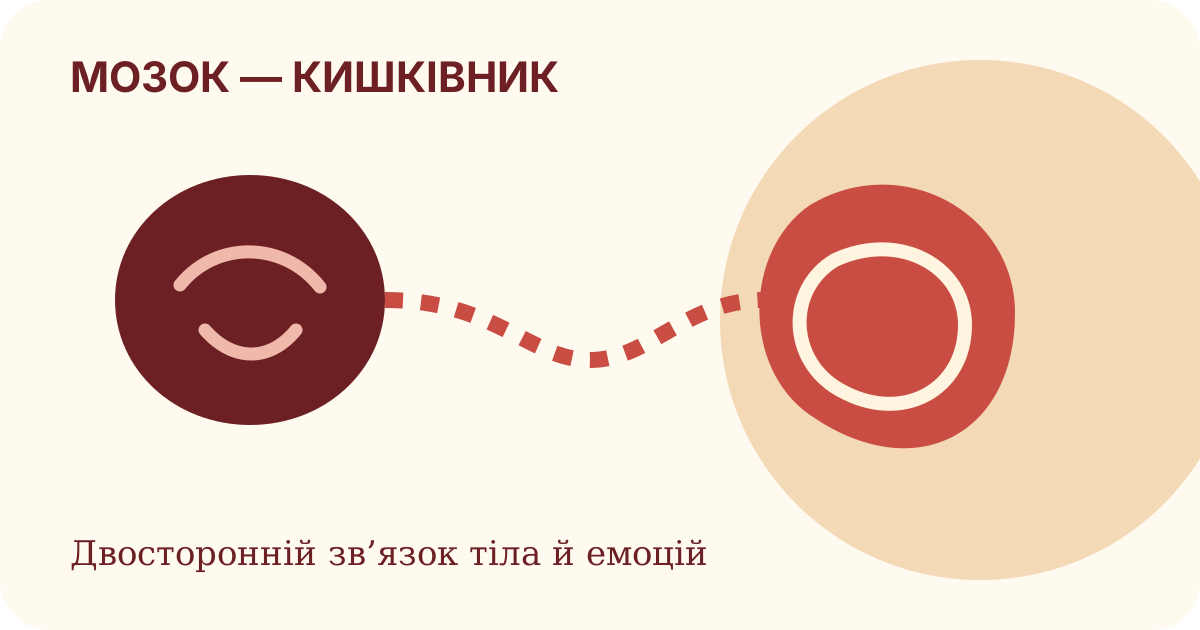
Stress can affect digestion, and digestive discomfort can make a difficult day harder. But feeling stressed does not tell you why your stomach hurts. Start by checking whether symptoms need medical attention. When your situation is stable and a care plan allows it, small routine changes and a brief note about symptoms can support that plan—not replace diagnosis or promise immediate relief.
First: when not to treat this as stress
Get prompt medical advice if pain worsens, persists or keeps returning, or comes with unexplained weight loss, swallowing problems, pregnancy, unusual bleeding, or lasting diarrhea. If you are unsure or worried, seek advice rather than diagnosing yourself. This list is not exhaustive; follow an individual care plan and local clinical guidance.
How emotions and digestion can affect each other
The gut and brain communicate through nervous-system and other biological pathways. Stress-related changes in routine, attention, appetite, and bowel function can become part of a two-way pattern: discomfort increases worry, and worry can make the situation harder to manage. This is a useful context to discuss, not a test that identifies the cause of your pain.
In disorders of gut–brain interaction such as IBS, movement through the digestive tract and sensitivity to ordinary gas or stool may differ. IBS involves a recurring pattern of pain and bowel changes; it is not a label for any stomach ache. Upper-abdominal discomfort may also involve indigestion, medicines, infection, or other conditions. Similar symptoms do not mean the same diagnosis.
Choose one manageable routine—not a complete overhaul
For a stable situation, use your diagnosis and clinician's advice to decide what fits. Guidance for diagnosed IBS includes everyday routines, but those suggestions are not treatment instructions for unexplained acute pain.
- Meals: notice long gaps or hurried eating. If appropriate for your care plan, protect time for one regular meal instead of changing every food at once.
- Fluids: make your usual suitable drink accessible. Follow any medical fluid restriction rather than forcing a universal amount.
- Movement and sleep: choose activity your condition permits and a realistic opportunity for rest. Neither is a test that proves pain is harmless.
- Food changes: avoid building a growing banned-food list from one uncomfortable day. If many foods seem difficult or symptoms continue, discuss the pattern with a clinician or registered dietitian.
Medicines and specific dietary treatments depend on the condition and the person. Do not stop prescribed treatment or choose an IBS medicine just because stress appears in your notes. A clinician or pharmacist can help with an appropriate next step.
Keep a brief log that helps a conversation
One useful entry, then return to your day
- Only use a log when urgent symptoms have been addressed. Do not delay medical advice to collect a complete set of entries.
- Write the main symptom, when it began, and whether it is changing. Record once rather than checking your body repeatedly.
- Add a few relevant facts: meal timing, bowel pattern, medicines, sleep, activity, or menstrual context if applicable.
- Name stress as one possible context—not a verdict such as “my emotions caused this.”
- Choose one question for your clinician and one manageable routine step consistent with your care plan.
- Stop or simplify logging if it increases checking, fear, or food restriction. You do not need to wait a fixed number of weeks before seeking help.
A diary can help organize observations; it cannot establish a diagnosis or prove which factor caused a symptom. The short format here is an editorial communication aid, not a validated medical test. If your clinician recommends a different monitoring plan, follow that plan.
Example: a rushed lunch on a demanding day
You notice familiar discomfort after eating quickly between meetings. Once safety is considered, write what you actually know: “Lunch was rushed; I slept poorly; discomfort started afterward.” Avoid turning the entry into “Stress is the cause” or “This food must never be eaten again.” A manageable experiment might be protecting an unhurried lunch break while keeping the rest of your plan unchanged. If symptoms persist or change, take the note to a clinician rather than escalating restrictions. One better or worse day does not settle the cause.
Medical and psychological support can work together
For diagnosed IBS, treatment may combine medical, dietary, and psychological approaches. Gut-directed therapies or cognitive behavioral therapy can be part of a clinician's plan; they do not mean symptoms are imagined or that further medical reassessment is unnecessary. The practical aim is a workable plan for your situation, not perfect calm before your body is allowed to improve.
What to take from this guide
- Check safety before experimenting with habits or tracking symptoms.
- Stress is context, not a diagnosis of the cause of abdominal pain.
- Choose one sustainable routine within your care plan, not a restrictive overhaul.
- A brief log should make a care conversation easier; it should not delay care or keep you monitoring all day.
Sources and references
- Stomach ache — NHS
Emergency and prompt-assessment boundaries; page review dated 26 May 2023. Local emergency numbers are adapted for EN readers.
- Symptoms & Causes of Irritable Bowel Syndrome — NIDDK
IBS symptom pattern, gut–brain interaction and multiple contributing factors; not a diagnosis of every abdominal symptom.
- Symptoms & Causes of Indigestion — NIDDK
Upper-abdominal symptoms, functional dyspepsia, medicine effects and other possible causes; reviewed March 2025.
- Diet, lifestyle and medicines for IBS — NHS
Routine and symptom-diary guidance applies to diagnosed IBS. The brief log format and worked example are editorial adaptations, not a universal treatment protocol.
- Treatment for Irritable Bowel Syndrome — NIDDK
Individualized medical, dietary, lifestyle and psychological care; no recommendation to self-prescribe.
- Gastrointestinal Neurobiology — NIDDK
Research context for neural control of digestion; not clinical proof that stress causes a particular person's symptoms.
Guide history
- Published
- July 31, 2026
- Updated
- October 16, 2026
Related guides
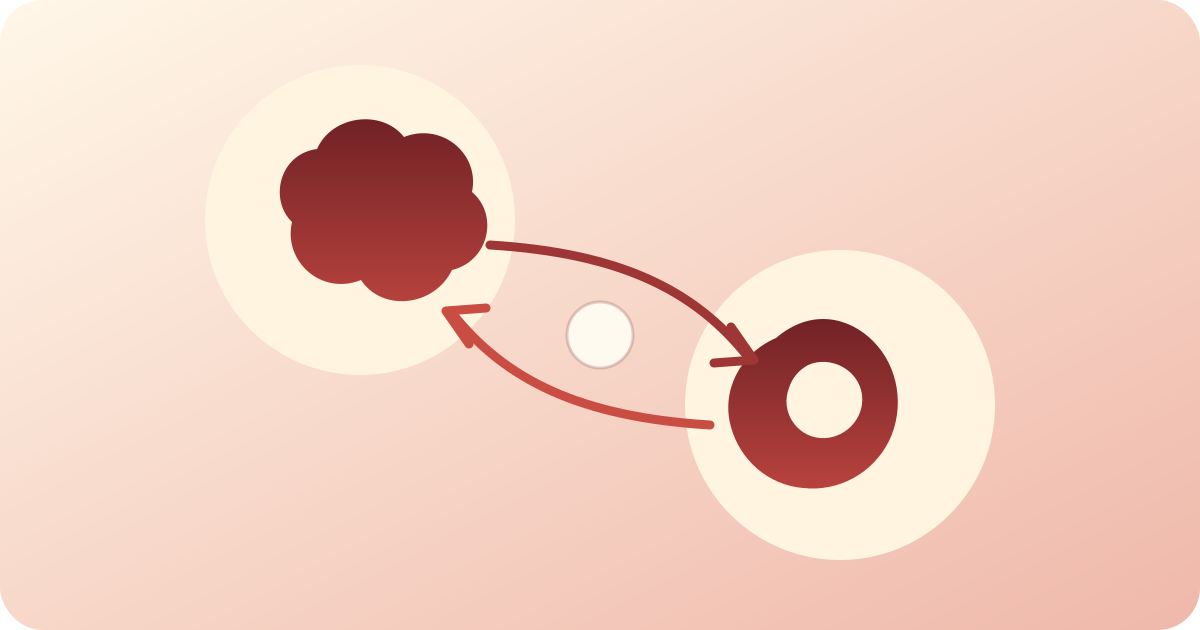
Irritable Bowel Syndrome and the Gut–Brain Axis
Why IBS is a real disorder of gut–brain interaction, how it is diagnosed, and how medical, dietary, and behavioral treatments may work together.
Read article
How Stress Affects the Body: Nervous System, Symptoms, and Recovery
How stress changes heart rate, muscle tension, digestion, sleep, and energy—and how to separate safe recovery steps from symptoms that need medical care.
Read article
Anxiety and Physical Symptoms: Breaking the Fear Cycle
How anxiety can intensify dizziness, muscle tension, stomach distress, and body monitoring—and what helps after medical safety is addressed.
Read article